
sleek-design-mobile-apps
Use when the user wants to design a mobile app, create screens, build UI, or interact with their Sleek projects. Covers high-level requests ("design an app that does X") and specific ones ("list my projects", "create a new project", "screenshot that screen").
git clone https://github.com/sleekdotdesign/agent-skills
T=$(mktemp -d) && git clone --depth=1 https://github.com/sleekdotdesign/agent-skills "$T" && mkdir -p ~/.claude/skills && cp -r "$T/skills/design-mobile-apps" ~/.claude/skills/sleekdotdesign-agent-skills-sleek-design-mobile-apps && rm -rf "$T"
skills/design-mobile-apps/SKILL.mdDesigning with Sleek
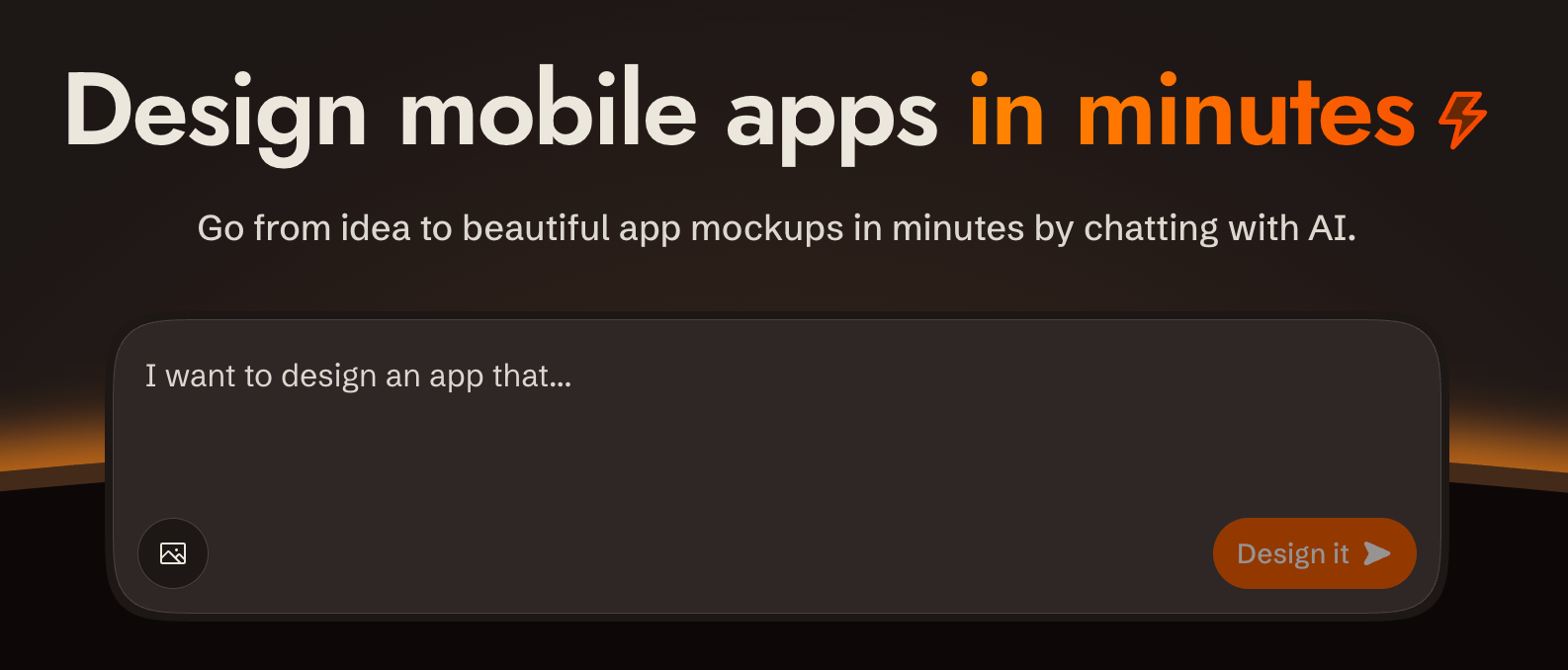
Overview
sleek.design is an AI-powered mobile app design tool. You interact with it via a REST API at
/api/v1/*Base URL:
https://sleek.designAuthorization: Bearer $SLEEK_API_KEY/api/v1/*application/json/api/v1/*Prerequisites: API Key
Create API keys at https://sleek.design/dashboard/api-keys. The full key value is shown only once at creation — store it in the
SLEEK_API_KEYRequired plan: Pro or higher (API access is gated)
Key scopes
| Scope | What it unlocks |
|---|---|
| List / get projects |
| Create / delete projects |
| List components in a project |
| Get chat run status |
| Send chat messages |
| Render component screenshots |
Create a key with only the scopes needed for the task.
Security & Privacy
- Single host: All requests go exclusively to
. No data is sent to third parties.https://sleek.design - HTTPS only: All communication uses HTTPS. The API key is transmitted only in the
header to Sleek endpoints.Authorization - Minimal scopes: Create API keys with only the scopes required for the task. Prefer short-lived or revocable keys.
- Image URLs: When using
in chat messages, those URLs are fetched by Sleek's servers. Avoid passing URLs that contain sensitive content.imageUrls
Quick Reference — All Endpoints
| Method | Path | Scope | Description |
|---|---|---|---|
| | | List projects |
| | | Create project |
| | | Get project |
| | | Delete project |
| | | List components |
| | | Get component |
| | | Send chat message |
| | | Poll run status |
| | | Render screenshot |
All IDs are stable string identifiers.
Endpoints
Projects
List projects
GET /api/v1/projects?limit=50&offset=0
Authorization: Bearer $SLEEK_API_KEY
Response
200{ "data": [ { "id": "proj_abc", "name": "My App", "slug": "my-app", "createdAt": "2026-01-01T00:00:00Z", "updatedAt": "..." } ], "pagination": { "total": 12, "limit": 50, "offset": 0 } }
Create project
POST /api/v1/projects
Authorization: Bearer $SLEEK_API_KEY
Content-Type: application/json

{ "name": "My New App" }
Response
201Get / Delete project
GET    /api/v1/projects/:projectId
DELETE /api/v1/projects/:projectId   → 204 No Content
Components
List components
GET /api/v1/projects/:projectId/components?limit=50&offset=0
Authorization: Bearer $SLEEK_API_KEY
Response
200{ "data": [ { "id": "cmp_xyz", "name": "Hero Section", "activeVersion": 3, "versions": [{ "id": "ver_001", "version": 1, "code": "<!DOCTYPE html>...</html>", "createdAt": "..." }], "createdAt": "...", "updatedAt": "..." } ], "pagination": { "total": 5, "limit": 50, "offset": 0 } }
Get component
Fetches a single component by ID. Use this when you need the code for a specific screen (e.g., after a chat run returns a
componentIdGET /api/v1/projects/:projectId/components/:componentId Authorization: Bearer $SLEEK_API_KEY
Response
200{ "data": { "id": "cmp_xyz", "name": "Hero Section", "activeVersion": 3, "versions": [{ "id": "ver_001", "version": 1, "code": "<!DOCTYPE html>...</html>", "createdAt": "..." }], "createdAt": "...", "updatedAt": "..." } }
Chat — Send Message
This is the core action: describe what you want in
message.textPOST /api/v1/projects/:projectId/chat/messages?wait=false Authorization: Bearer $SLEEK_API_KEY Content-Type: application/json idempotency-key: <optional, max 255 chars> { "message": { "text": "Add a pricing section with three tiers" }, "imageUrls": ["https://example.com/ref.png"], "target": { "screenId": "scr_abc" } }
| Field | Required | Notes |
|---|---|---|
| Yes | 1+ chars, trimmed |
| No | HTTPS URLs only; included as visual context |
| No | Edit a specific screen using its |
| No | Sync wait mode (default: false) |
| No | Replay-safe re-sends |
Response — async (default, wait=false
)
wait=falseStatus
202 Acceptedresulterror{ "data": { "runId": "run_111", "status": "queued", "statusUrl": "/api/v1/projects/proj_abc/chat/runs/run_111" } }
Response — sync (wait=true
)
wait=trueBlocks up to 300 seconds. Returns
200202{ "data": { "runId": "run_111", "status": "completed", "statusUrl": "...", "result": { "assistantText": "I added a pricing section with...", "operations": [ { "type": "screen_created", "screenId": "scr_xyz", "screenName": "Pricing", "componentId": "cmp_xyz" }, { "type": "screen_updated", "screenId": "scr_abc", "componentId": "cmp_abc" }, { "type": "theme_updated" } ] } } }
Chat — Poll Run Status
Use this after async send to check progress.
GET /api/v1/projects/:projectId/chat/runs/:runId
Authorization: Bearer $SLEEK_API_KEY
Response — same shape as send message
data{ "data": { "runId": "run_111", "status": "queued", "statusUrl": "..." } }
When completed successfully,
result{ "data": { "runId": "run_111", "status": "completed", "statusUrl": "...", "result": { "assistantText": "...", "operations": [...] } } }
When failed,
error{ "data": { "runId": "run_111", "status": "failed", "statusUrl": "...", "error": { "code": "execution_failed", "message": "..." } } }
Run status lifecycle:
queuedrunningcompleted | failedScreenshots
Takes a snapshot of one or more rendered components.
POST /api/v1/screenshots
Authorization: Bearer $SLEEK_API_KEY
Content-Type: application/json

{
  "componentIds": ["cmp_xyz", "cmp_abc"],
  "projectId": "proj_abc",
  "format": "png",
  "scale": 2,
  "gap": 40,
  "padding": 40,
  "background": "transparent"
}
| Field | Default | Notes |
|---|---|---|
| | |
| | 1–3 (device pixel ratio) |
| | Pixels between components |
| | Uniform padding on all sides |
| (optional) | Horizontal padding; overrides |
| (optional) | Vertical padding; overrides |
| (optional) | Top padding; overrides |
| (optional) | Right padding; overrides |
| (optional) | Bottom padding; overrides |
| (optional) | Left padding; overrides |
| | Any CSS color (hex, named, |
| | Overlay a subtle dot grid on the background |
Padding resolves with a cascade: per-side → axis → uniform. For example,
paddingToppaddingYpadding{ "padding": 20, "paddingX": 10, "paddingLeft": 5 }When
showDotstruebackground"transparent"Always use
"background": "transparent"Response: raw binary
image/pngimage/webpContent-Disposition: attachmentError Shapes
{ "code": "UNAUTHORIZED", "message": "..." }
| HTTP | Code | When |
|---|---|---|
| 401 | | Missing/invalid/expired API key |
| 403 | | Valid key, wrong scope or plan |
| 404 | | Resource doesn't exist |
| 400 | | Validation failure |
| 409 | | Another run is active for this project |
| 500 | | Server error |
Chat run-level errors (inside
data.error| Code | Meaning |
|---|---|
| Organization has no credits left |
| AI execution error |
Prompting Sleek
Sleek has its own AI that plans screen content, visual style, and layout. Pass the user's request to Sleek as-is — don't add details the user didn't ask for. If the user described specific screens and styling, include those. If they just said "build me a running app," send that and let Sleek decide the rest. Sleek produces richer designs when given room to plan, so avoid inventing screen content or layout details that the user didn't specify.
Designing
1. Create a project
Create a project with
POST /api/v1/projectsEach project has its own theme, style, and design system. If the user wants multiple design variations, create a separate project for each variation.
2. Send a chat message
Describe what to build using
POST /api/v1/projects/:id/chat/messagesChat messages are async by default — you get a
runIdGET /api/v1/projects/:id/chat/runs/:runId?wait=true202Polling: start at 2s interval, back off to 5s after 10s, give up after 5 minutes.
Editing a specific screen: use
target.screenIdOne run at a time: only one active run is allowed per project. If you get
409 CONFLICT?wait=trueSafe retries: add an
idempotency-key3. Show the results
After every chat run that produces
screen_createdscreen_updatedPOST /api/v1/screenshots- New screens: one screenshot per screen + one combined screenshot of all screens in the project.
- Updated screens: one screenshot per affected screen.
Use
background: "transparent"Save screenshots in the project directory (not a temporary folder) so the user can easily view them.
Implementing Designs
When the user wants to implement the designs in code (not just preview them), always fetch the component HTML code — do not rely on screenshots alone.
Use
GET /api/v1/projects/:id/components/:componentIdcomponentIdresult.operationsHTML prototypes
The component
code.htmlNative frameworks (React Native, SwiftUI, etc.)
Use both the HTML code and the screenshots together:
- HTML code is the implementation reference — it contains the exact structure, layout, styling, colors, spacing, content, image URLs, and icon names.
- Screenshots are the visual target — use them to verify your implementation matches the intended look.
The HTML tells you how to build it; the screenshot tells you what it should look like.
Icons
Sleek uses Iconify icons in the format
prefix:namesolar:heart-boldmaterial-symbols:search-roundedlucide:settingsUse the exact icons from the HTML code — do not substitute with a different icon set. Matching icons is important for design fidelity.
When implementing icons:
-
Check if the project already has an icon system that supports the same sets Sleek uses (Solar, Hugeicons, Material Symbols, MDI). If so, use it. Note:
does not support these sets — do not use it as a substitute.@expo/vector-icons -
Otherwise, fetch the SVGs from the Iconify API and embed them in the code:
GET https://api.iconify.design/{prefix}/{name}.svgExample:
https://api.iconify.design/solar/heart-bold.svgCollect all icon names from the HTML, fetch their SVGs, and save them as static assets or string constants in the codebase. For React Native / Expo, render them with
'sreact-native-svg
component — this works in Expo Go with no additional native dependencies.SvgXml
Fonts
The HTML includes Google Fonts via
<link><head><link>Navigation
The designs may include navigation elements like tab bars and headers. Update the project's navigation styling and structure to match the designs — don't just implement the screen content while leaving the default navigation untouched.
Pagination
All list endpoints accept
limitoffsetpagination.totalGET /api/v1/projects?limit=10&offset=20
Tips
Saving component HTML to files
Component code can be large. When saving it to
.htmlCommon Mistakes
| Mistake | Fix |
|---|---|
Sending to | Add |
| Using wrong scope | Check key's scopes match the endpoint (e.g. |
| Sending next message before run completes | Poll until |
Using | It blocks 300s max; have a fallback to polling for |
HTTP URLs in | Only HTTPS URLs are accepted |
Assuming | |
Using | |